

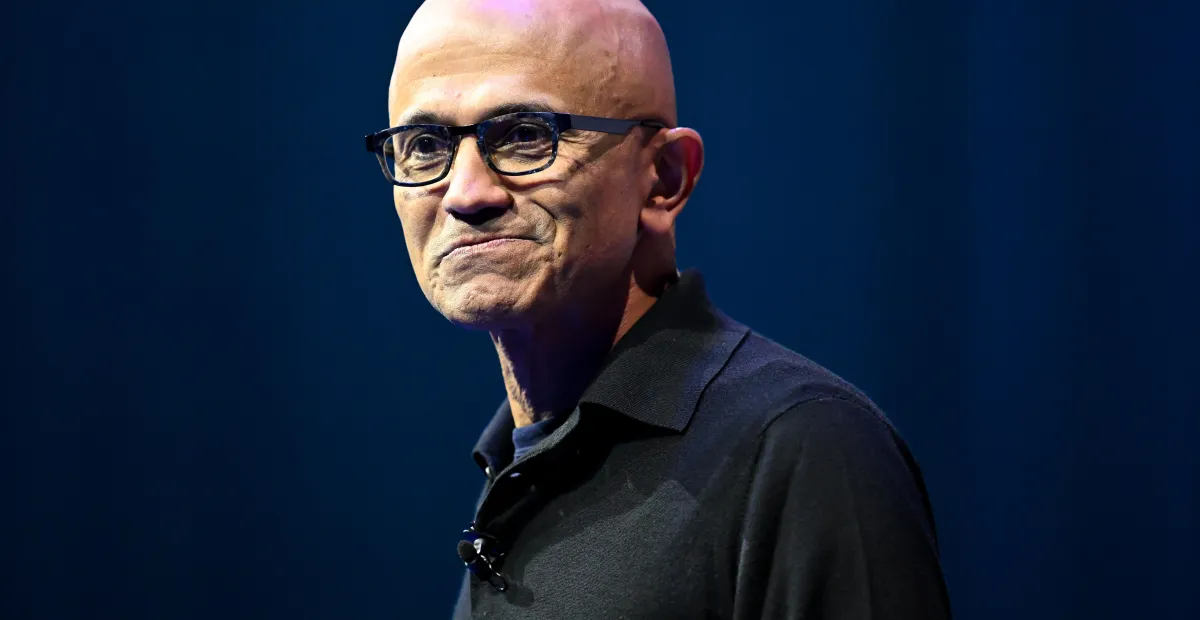
Top Microsoft executives took the stand this week in the high-stakes Musk v. Altman trial, pulling back the curtain on what was happening behind closed doors during the early days of the tech giant’s partnership with OpenAI. The testimony reveals that even as Microsoft poured billions into the AI startup, internal alarm bells were ringing about becoming too dependent on a single vendor – concerns that now look prescient as the partnership reshapes the entire AI industry.
Microsoft executives didn’t mince words when they took the witness stand this week. According to testimony in the ongoing Musk v. Altman case, senior leaders at the Redmond giant were privately wrestling with a critical question even as they wrote billion-dollar checks to OpenAI: What happens if we bet the farm on a partner we don’t control?
The courtroom revelations offer a rare glimpse into the strategic calculations behind one of the most consequential partnerships in tech history. While Microsoft has publicly championed its relationship with OpenAI – investing over $13 billion to date and integrating GPT models across everything from Office to Azure – the testimony shows executives were hedging their bets from day one.
These weren’t idle concerns. The dependency fears emerged during the partnership’s formative period, when Microsoft was negotiating the terms that would give it exclusive access to OpenAI’s cutting-edge models while OpenAI maintained its independent governance structure. That tension between strategic alignment and autonomy has only intensified as OpenAI transformed from a research lab into a $80 billion juggernaut.
The trial testimony comes at a pivotal moment for both companies. Microsoft has staked its AI strategy almost entirely on OpenAI’s technology, embedding GPT-4 and GPT-4o into products used by hundreds of millions of enterprise customers. But the partnership has drawn regulatory scrutiny from the FTC and EU competition authorities, who are probing whether the arrangement creates unfair market advantages.
What makes the testimony particularly revealing is the timing. These concerns surfaced years before OpenAI’s dramatic November 2023 leadership crisis, when CEO Sam Altman was briefly ousted and Microsoft scrambled to both support OpenAI and protect its own interests. The earlier worries suggest Microsoft executives saw the governance risks coming, even if they couldn’t predict the exact form they’d take.
The Musk v. Altman trial itself centers on Elon Musk’s claims that OpenAI violated its founding mission by transforming from a nonprofit into a capped-profit company with Microsoft as its primary backer. The Microsoft testimony provides crucial context for understanding how that transformation unfolded and what safeguards the tech giant sought as it deepened its commitment.
For enterprise customers watching closely, the revelations raise uncomfortable questions about vendor lock-in at a massive scale. If Microsoft itself worried about over-dependence on OpenAI, what does that mean for businesses building their AI strategies on Microsoft’s OpenAI-powered tools?
The testimony also sheds light on the strategic chess game playing out in AI. While Microsoft went all-in on OpenAI, competitors like Google and Amazon built their own foundation models, and Meta open-sourced Llama to create an alternative ecosystem. The early Microsoft concerns suggest the company understood it was making a high-risk, high-reward bet.
What’s clear from the courtroom drama is that the Microsoft–OpenAI partnership was never the seamless collaboration both companies projected publicly. Behind the joint press releases and product launches, executives were gaming out scenarios where the relationship fractured, OpenAI pivoted to competitors, or regulatory pressure forced a breakup.
Those contingency plans look increasingly relevant as the AI landscape shifts. OpenAI has reportedly explored raising fresh capital that could dilute Microsoft’s influence, while Microsoft has quietly expanded its internal AI research efforts and diversified by partnering with other model providers like Mistral AI.
The testimony emerging from the Musk v. Altman trial isn’t just courtroom drama – it’s a masterclass in the risks of strategic partnerships in fast-moving markets. Microsoft’s early dependency concerns proved justified as the OpenAI relationship became both the company’s greatest AI advantage and its biggest potential vulnerability. For enterprise leaders making their own AI vendor decisions, the lesson is clear: even when you’re writing billion-dollar checks, maintaining strategic optionality matters. As the trial continues, expect more revelations about how two of tech’s most powerful players negotiated the terms that now define the AI industry’s competitive landscape.


Leave a Reply