
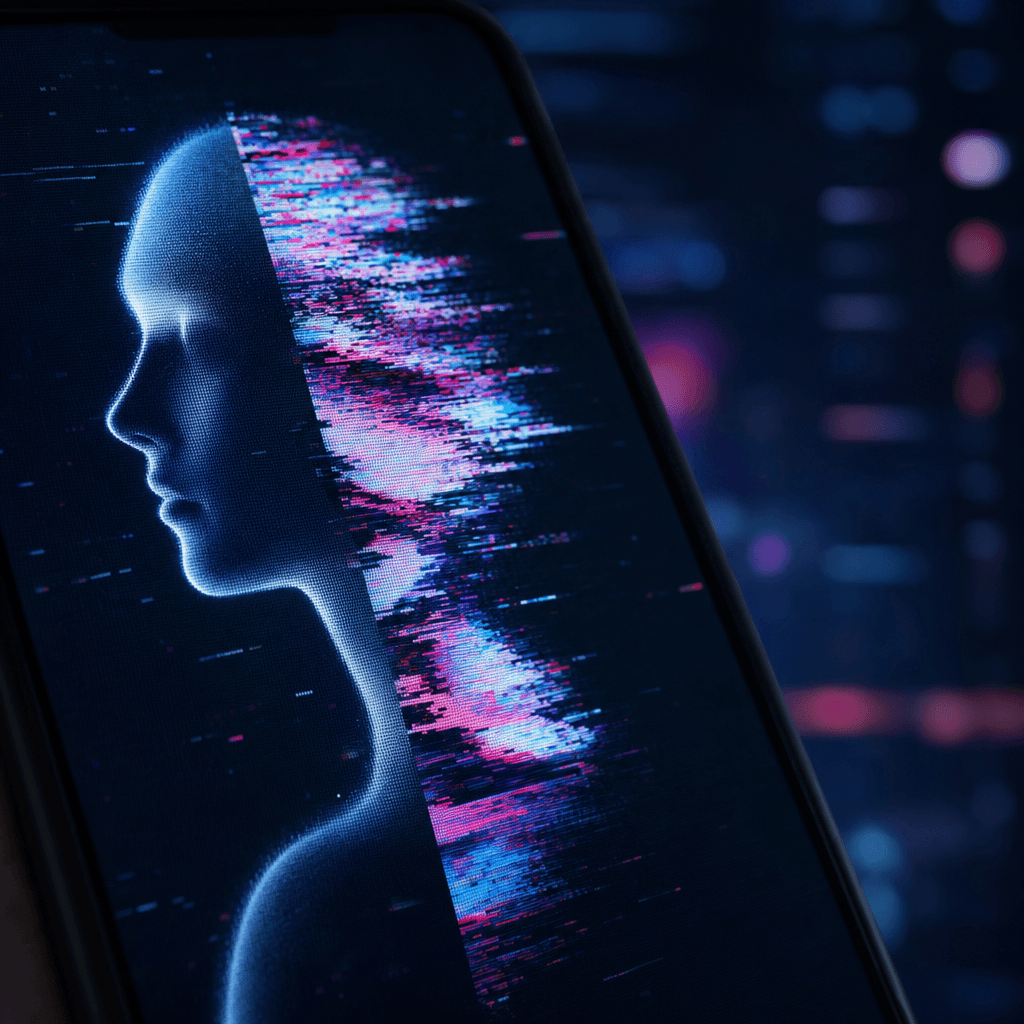
Scammers are weaponizing AI-generated celebrity deepfakes to flood TikTok with fraudulent ads, and Taylor Swift’s face is leading the charge. According to authentication company Copyleaks, sophisticated AI videos featuring Swift, Rihanna, and other A-listers are promoting shady reward programs that harvest personal data from unsuspecting users. The scam ads manipulate real interview footage with AI voice cloning and face-swapping tech, making them nearly indistinguishable from legitimate celebrity endorsements – and they’re slipping past TikTok’s content moderation at scale.
TikTok has a deepfake problem, and it’s wearing Taylor Swift’s face. Scammers are flooding the platform with AI-generated celebrity videos that look convincing enough to fool casual scrollers, pushing fraudulent reward schemes that promise easy money but deliver data harvesting instead.
Authentication company Copyleaks flagged the scam campaign in a recent report, identifying deepfakes of Swift, Rihanna, and other celebrities promoting suspicious services. The videos typically show stars in familiar settings – red carpet interviews, podcast appearances, talk show segments – with AI manipulating real footage to insert new audio and facial movements. According to The Verge’s reporting, the deepfakes are sophisticated enough that most users wouldn’t catch the manipulation without close inspection.
The scam follows a familiar playbook. AI-generated Swift tells viewers they can earn money simply by watching TikTok videos and providing feedback. The ads often feature TikTok’s official branding and logo, lending an air of legitimacy to what’s actually a data phishing operation. Users who click through get redirected to third-party websites that request personal information – the real goal of the entire scheme.
What makes these deepfakes particularly effective is their quality. Earlier generations of AI celebrity scams were obviously fake, with uncanny valley faces and robotic voices that immediately triggered skepticism. But today’s tools can clone voices with frightening accuracy and seamlessly swap faces onto existing video footage. The scammers are essentially taking real celebrity interviews and putting new words in their mouths, creating what looks like genuine endorsements.
TikTok’s moderation systems are clearly struggling to keep up. The platform has policies against synthetic media and scams, but the sheer volume of content uploaded every minute makes comprehensive screening nearly impossible. And as AI generation tools become more accessible and powerful, the cost of creating convincing deepfakes continues to drop. What once required Hollywood-level visual effects can now be done with consumer software and a decent GPU.
Swift has been a particular target for AI manipulation over the past year. Earlier this year, explicit deepfake images of the singer spread across social media platforms, prompting calls for stronger regulations around AI-generated content. The incident led to discussions in Congress about federal deepfake legislation, though no substantial action has materialized yet.
The reward program angle is clever because it exploits TikTok’s existing creator economy. The platform does have legitimate programs where users can earn money through content creation and engagement. Scammers are piggybacking on that familiarity, making their fake programs seem like natural extensions of TikTok’s actual features. When a deepfaked celebrity says you can get paid to watch videos, it doesn’t sound immediately absurd to users who know creators make real money on the platform.
Copyleaks specializes in detecting AI-generated content and plagiarism, positioning the company at the front lines of the authenticity war. Their detection tools scan for telltale signs of AI manipulation – subtle artifacts in video compression, unnatural movement patterns, inconsistencies in lighting and shadows. But it’s an arms race. As detection tools get better, generation tools evolve to produce cleaner output.
The personal information these scams collect can be weaponized for identity theft, sold on dark web marketplaces, or used for follow-up phishing attacks. Users who hand over email addresses, phone numbers, or worse – payment information for “activation fees” – are opening themselves up to cascading fraud attempts.
Platforms are caught in a difficult position. Aggressive content filtering risks censoring legitimate content and frustrating users. But lax moderation allows scammers to operate freely, eroding trust and potentially exposing millions to fraud. TikTok hasn’t publicly commented on this specific deepfake campaign or outlined new measures to combat AI-generated scam content.
What we’re seeing is just the beginning. As AI video generation tools continue improving and spreading, expect deepfake scams to become more prevalent across all social platforms. The technology that once seemed like science fiction is now a commodity tool in the scammer’s toolkit, and celebrities with massive followings make irresistible bait for fraud operations targeting their fans.
The Taylor Swift deepfake scam wave on TikTok represents a new frontier in social media fraud – one where the tools have become good enough that casual users can’t tell real from fake. As AI generation technology becomes more accessible, platforms will need to invest heavily in detection systems or risk becoming breeding grounds for increasingly sophisticated scams. For users, the old advice holds: if a celebrity is promising you easy money, it’s probably too good to be true, especially when that celebrity’s lips don’t quite sync with their words.




Leave a Reply