
- ■
Samsung debuts 12-zone exhibition at Milan Design Week showcasing AI-adaptive content and human-centric design philosophy
- ■
Exhibition features Android XR experiences, transparent Micro LED tech, and 130-inch Micro RGB displays alongside new Luna AI home device
- ■
Installation demonstrates Samsung’s shift toward ambient computing where AI adapts content to space, music, and user context in real-time
- ■
Milan showcase signals Samsung’s design strategy evolution as it competes with Apple and Google in the AI-powered consumer experience race
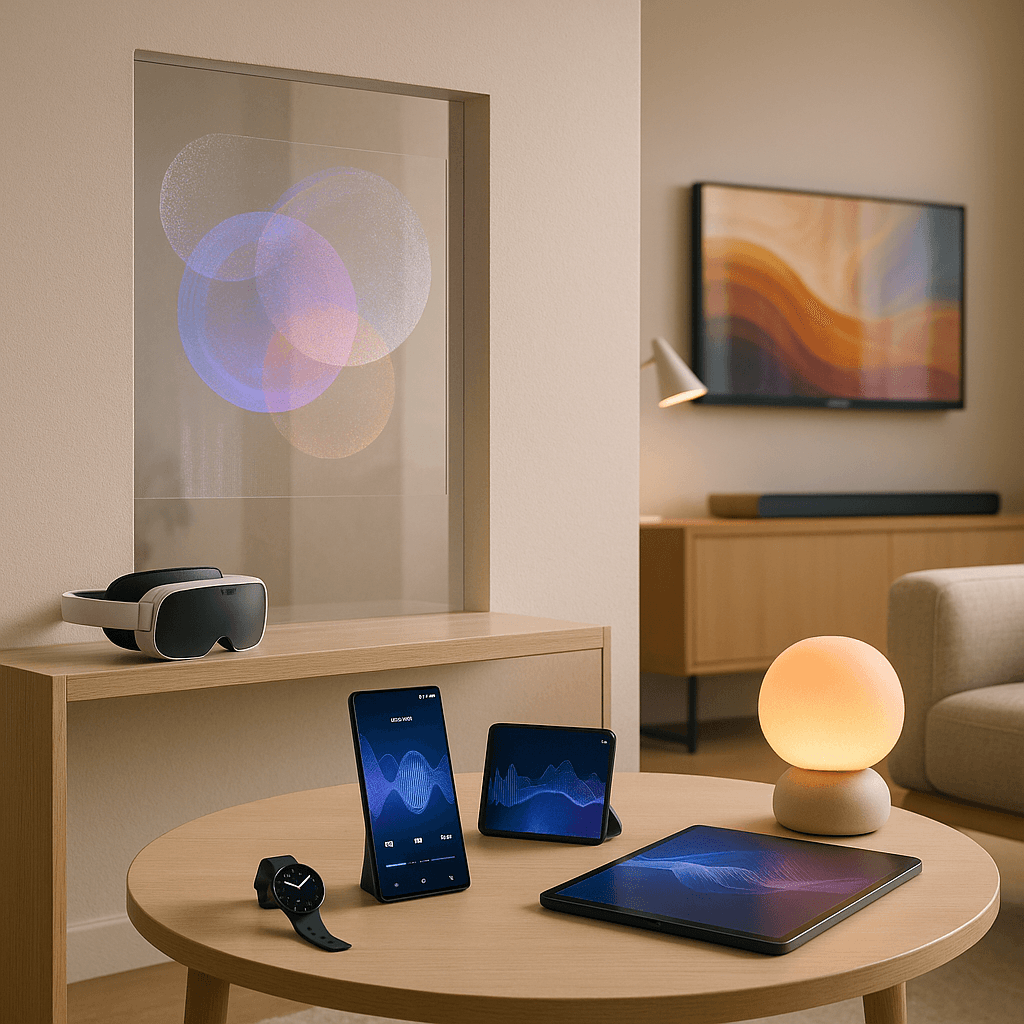
Samsung is making a bold statement about the future of consumer tech at Milan Design Week 2026. The Korean tech giant’s ‘Design is an Act of Love’ exhibition, running through April 26 at Superstudio Più, presents 12 immersive zones that blend AI-generated content, Android XR experiences, and transparent Micro LED displays. It’s less product launch and more manifesto – a glimpse into how Samsung envisions technology dissolving into daily life through what it calls ‘Expressive Design.’
Samsung just turned Milan Design Week into a living laboratory for ambient intelligence. The company’s ‘Design is an Act of Love’ exhibition, which opened April 20 at the Samsung Design Open Lab in Superstudio Più, isn’t your typical trade show booth. Spanning 12 distinct zones, the installation reveals how Samsung plans to weave AI, extended reality, and next-gen displays into the fabric of everyday life.
The opening salvo, called The Welcome Show, orchestrates a synchronized performance across multiple devices – phones, tablets, wearables, and screens all dancing in harmony. It’s Samsung’s vision of personal AI ecosystems made tangible, each device contributing its own intelligence to create what the company describes as a ‘deeply human symphony.’ The choreography hints at the interoperability challenges every tech giant faces as they build out AI-powered device ecosystems.
But the real story emerges in how Samsung’s using AI to make technology feel less robotic. In the Transparent Symphony and All That Music zones, AI generates content that adapts on the fly to the space, the music playing, and the moment itself. Samsung is essentially demonstrating contextual computing – where your environment shapes what technology shows you, rather than the other way around. The transparent Micro LED displays in Transparent Symphony literally dissolve physical boundaries, letting screens blend into walls and furniture.
The XR Experience zone, powered by Android XR, gives visitors hands-on time with Galaxy XR headsets. It’s Samsung and Google’s answer to Apple’s Vision Pro, and the Milan debut suggests Samsung’s getting serious about mixed reality after years of false starts. The company’s betting that making XR feel approachable – not isolating – will drive adoption where others have stumbled.
Samsung’s also showing off hardware that doesn’t exist in stores yet. The 130-inch Micro RGB display presented in Two Expressions of the Same Technology comes in two wildly different design languages – minimal and refined versus bold and colorful. Built on identical tech, they demonstrate how Samsung plans to let consumers shape technology to their taste rather than accepting one-size-fits-all design. It’s a direct counter to Apple’s famously rigid aesthetic control.
The S95H OLED TV with Music Frame+ in the Artful Living zone pushes this customization further. Customizable frames transform the TV to match different interior styles, celebrating what Samsung claims is one of the thinnest OLED displays on the market. The design recalls Samsung’s Frame TV, which turned screens into art when not in use – but now with AI-enhanced content curation.
The exhibition’s emotional core might be The Goodbye Show, where the Luna AI home device – a new product Samsung’s teasing – bids farewell to visitors. Described as ‘light, colorful and unapologetically pop,’ it’s Samsung’s attempt to make AI feel warm rather than clinical. The company’s clearly studied how Amazon’s Alexa and Google Assistant became ambient presences in millions of homes and wants Luna to compete on personality, not just capability.
What’s notable is what Samsung isn’t showcasing: raw specs, benchmark scores, or technical superiority claims. The entire exhibition focuses on feeling and integration. It’s a marked shift for a company that built its reputation on feature lists and display technology leadership. Samsung’s now competing on the same emotional territory Apple’s dominated for years.
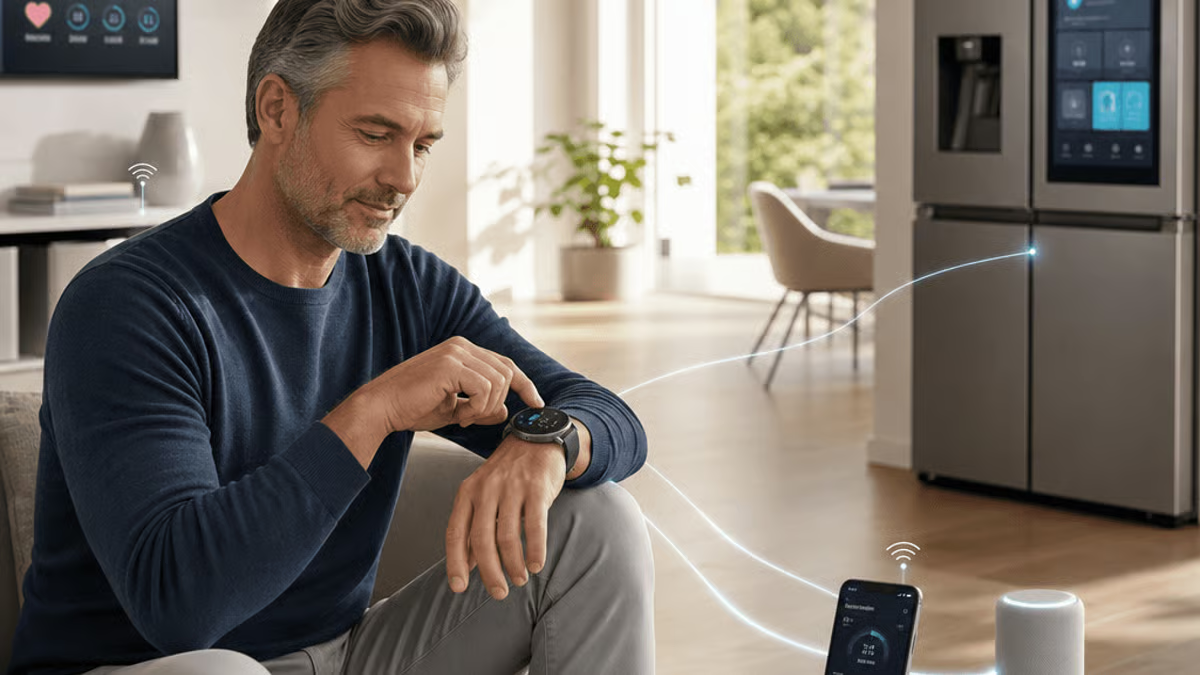
The Wearable Intelligence and Culinary Intelligence zones hint at Samsung’s broader AI strategy. From wearables tracking physical and emotional well-being to AI-powered kitchen experiences, the company’s building an ecosystem that touches every room and activity. It mirrors Google’s ambient computing vision but with Samsung’s hardware diversity as the foundation.
Milan Design Week has become tech’s softest-sell showcase – where companies test future concepts without the pressure of launch commitments. Apple skipped 2026, while Google and Meta sent smaller teams. Samsung’s 12-zone takeover signals confidence that its design language can carry weight in Europe’s most design-conscious market.
The Forum zone at the exhibition’s center hosts discussions with Samsung’s design leaders, though the company hasn’t released transcripts yet. Video clips show executives emphasizing ‘human-centered’ approaches – the phrase every tech company now deploys to distance AI from dystopian fears. But Samsung’s backing the rhetoric with actual product concepts that prioritize adaptation over control.
Industry watchers are reading Milan as Samsung’s counter-programming to Apple’s WWDC and Google I/O. While those events focus on developer tools and software capabilities, Samsung’s using Milan to own the conversation around how AI-powered hardware should feel in your home. It’s brand positioning masquerading as experiential art.
The exhibition runs through April 26, giving Samsung a full week to shape coverage before CES 2027 announcements start leaking. Whether these concepts translate to shipping products remains the question. Samsung’s shown ambitious prototypes before – rollable displays, modular phones – that never reached consumers. But the focus on AI integration suggests these aren’t moonshots. They’re the 2027 roadmap, stress-tested in Milan before launch commitments get made.
Samsung’s Milan showcase represents a strategic bet that consumer tech’s next battleground isn’t specs – it’s how technology makes you feel. By focusing on AI that adapts to your context, displays that disappear into your décor, and devices with personality rather than just processing power, Samsung’s challenging Apple’s emotional connection with users and Google’s ambient computing vision simultaneously. Whether ‘Expressive Design’ translates from Milan’s galleries to Best Buy shelves will determine if this is genuine evolution or just beautiful vaporware. But the exhibition’s real message is clear: Samsung’s done competing on megapixels alone. The fight now is for your living room’s soul, and the company thinks AI-powered ambiance is the key.










Leave a Reply