
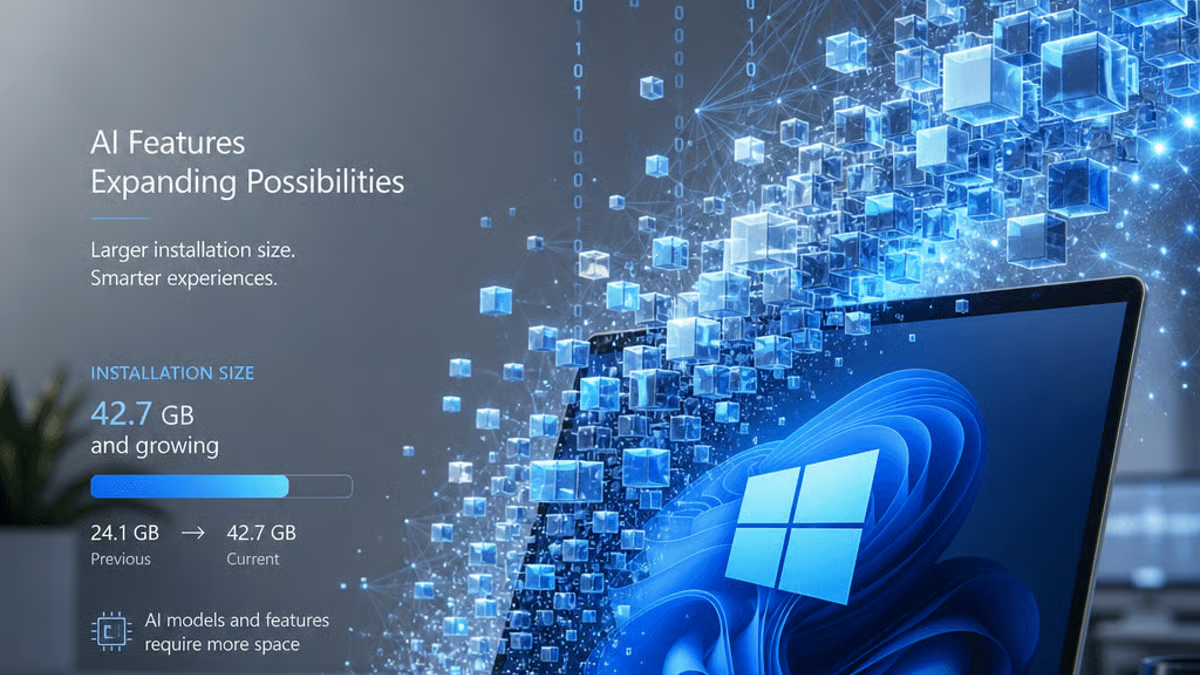
Microsoft‘s Windows installation files are getting noticeably larger, and the culprit isn’t bloatware or legacy code – it’s AI. The company’s ISO downloads have been steadily creeping upward in size as on-device AI features require increasingly large language models and neural processing capabilities to be baked directly into the operating system. For users with smaller drives or limited bandwidth, this shift is creating real headaches.
Microsoft users downloading fresh Windows installations are noticing something unusual – the ISO files keep getting bigger. What used to be a manageable download has ballooned into multi-gigabyte packages that strain both storage and bandwidth, particularly for those working with smaller drives or slower connections.
The reason isn’t the usual suspects of accumulated updates or legacy compatibility files. Instead, it’s the march of AI directly into the operating system. As Microsoft pushes forward with AI-powered features across Windows, those capabilities need to live somewhere. Large language models, neural processing engines, and on-device AI assistants all require substantial storage footprints before they can run locally without constant cloud connectivity.
This isn’t just about Copilot or voice assistants. Modern Windows builds are increasingly shipping with AI models for everything from image recognition and real-time translation to predictive text and automated system optimization. Each of these features demands its own set of trained models, and those models take up space – sometimes hundreds of megabytes or more per feature.
The shift represents a fundamental change in how operating systems are architected. Where previous Windows versions could offload intelligent features to cloud services, the industry is moving toward on-device AI that prioritizes privacy, speed, and offline functionality. But that convenience comes with a storage cost that gets passed directly to users during installation.
For enterprise deployments, the implications are particularly significant. IT departments managing fleets of devices need to account for larger deployment images, longer installation times, and increased storage requirements across their hardware inventory. What once fit comfortably on a 16GB USB drive now pushes against 32GB limits.
The trend mirrors what’s happening across the tech industry. Apple has been embedding AI models into iOS and macOS, while Google continues expanding on-device machine learning in Android. The race to deliver intelligent features without compromising user privacy is driving everyone toward the same solution – bigger installation packages.
Consumer devices are feeling the squeeze too. Budget laptops and tablets with 64GB or 128GB of storage suddenly find a larger chunk consumed by the operating system itself before users install a single application. The Windows installation footprint that once hovered around 20GB is creeping toward 30GB or more when accounting for AI models and recovery partitions.
Microsoft hasn’t officially broken down exactly how much of the size increase comes from AI components versus other system improvements, but the timeline correlates directly with the company’s AI push. As Copilot features expanded and Windows gained more intelligent capabilities, the ISO downloads grew proportionally.
The issue isn’t going away either. As AI models improve and become more capable, they tend to grow rather than shrink. While compression techniques and optimization can help, the fundamental tension remains – users want smarter operating systems, and smarter operating systems need more space to deliver those capabilities locally.
For now, users downloading Windows installations should prepare for larger files and longer download times. Those working with storage-constrained devices might need to reconsider their hardware choices or be more aggressive about managing what gets installed alongside the operating system.
The ballooning size of Windows installation files reflects a broader reality in modern computing – AI capabilities demand real storage space. As Microsoft and competitors continue embedding more intelligent features directly into operating systems, users will need to adapt to larger downloads and increased storage requirements. The trade-off between on-device AI capabilities and installation footprint isn’t going away, and it’s reshaping everything from hardware purchasing decisions to enterprise deployment strategies. For anyone planning a fresh Windows installation, checking available storage and download bandwidth before starting has become more important than ever.











Leave a Reply