
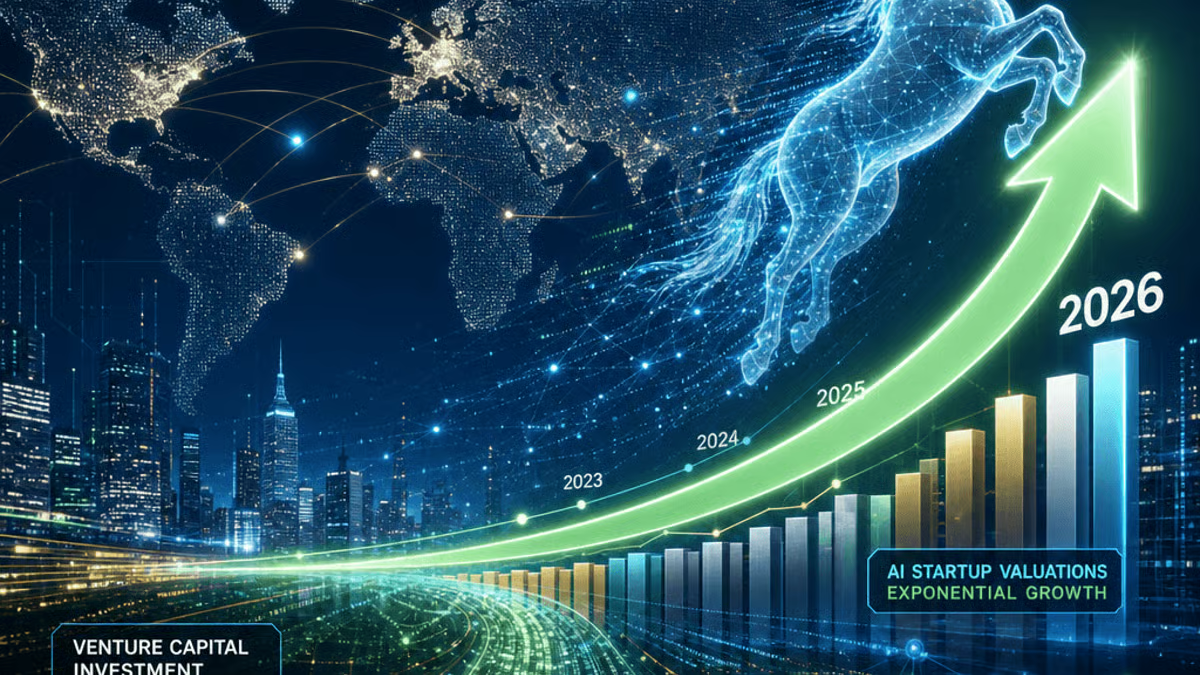
The unicorn factory is running at full speed. Nearly 90 startups have crossed the $1 billion valuation threshold in the first six months of 2026, according to TechCrunch tracking. That’s more than double the pace from this time last year, fueled by an AI-driven investment frenzy that’s reshaping venture capital dynamics. The surge signals a dramatic shift in how quickly startups can now scale valuations, with artificial intelligence companies leading the charge.
The venture capital world is witnessing something it hasn’t seen since the 2021 boom – unicorns are being minted at a blistering pace. TechCrunch reports that nearly 90 startups have achieved the coveted $1 billion valuation mark in just the first half of 2026, a rate that puts this year on track to potentially surpass even the frenzied heights of the pandemic-era funding boom.
Artificial intelligence is the rocket fuel behind this surge. The generative AI revolution that began with OpenAI‘s ChatGPT has evolved into a full-blown investor stampede, with venture firms desperate to stake claims in the next wave of transformative technology. According to the TechCrunch analysis, AI-focused startups make up a significant portion of the new unicorn class, spanning everything from enterprise automation to specialized large language models.
The numbers tell a compelling story about where capital is flowing. Compare this year’s 90 new unicorns to the roughly 40 minted during the same period in 2025, and you’re looking at more than a doubling in pace. That acceleration comes even as public markets remain volatile and interest rates stay elevated – traditional headwinds that would normally cool venture activity. But AI has proven to be the exception that rewrites the rules.
What’s driving VCs to write bigger checks faster? Fear of missing out plays a role, but there’s substance behind the hype. The total addressable market for AI tools keeps expanding as companies across industries scramble to integrate machine learning into their operations. Startups that can demonstrate real revenue traction and defensible technology are commanding premium valuations in compressed timeframes. Where it once took years to reach unicorn status, some AI companies are making the leap in 18 months or less.
The geographic spread of these new unicorns also reveals shifting dynamics. While Silicon Valley still claims the lion’s share, European and Asian startups are increasingly breaking through to billion-dollar valuations. The democratization of AI technology means you don’t need to be based in Palo Alto to build a world-class machine learning company anymore.
But veteran investors are sounding notes of caution amid the celebration. The rapid pace of unicorn creation raises questions about whether valuations are outpacing fundamentals. Some worry we’re seeing a repeat of past boom cycles where inflated expectations led to painful corrections. The difference this time, proponents argue, is that AI represents genuine technological disruption with measurable productivity gains, not just speculative hype.
For founders, the current environment creates both opportunity and pressure. Getting to unicorn status faster means earlier access to growth capital and talent recruitment advantages. But it also means higher expectations and less room for error. Companies that achieve billion-dollar valuations now face scrutiny about their path to profitability and sustainable unit economics.
The ripple effects extend beyond just the unicorns themselves. Late-stage funding rounds are getting larger as investors compete to secure positions in hot companies. Microsoft, Google, and Amazon are all making strategic investments in AI startups, adding corporate venture dollars to the mix alongside traditional VCs. This influx of capital from tech giants validates the space but also increases competitive intensity.
As we move into the second half of 2026, all eyes are on whether this pace can sustain itself. If the current trajectory holds, we could see 150 or more new unicorns by year-end, a figure that would rival the peak years of startup funding. The bigger question isn’t just how many companies will reach billion-dollar valuations, but how many will ultimately deliver returns that justify those lofty numbers.
The unicorn boom of 2026 is real, and AI is writing the playbook. With 90 companies already crossing the billion-dollar threshold in just six months, we’re watching venture capital dynamics shift in real time. Whether this represents sustainable growth or another bubble waiting to pop will become clearer as these companies mature and face the test of delivering on their sky-high valuations. For now, the money is flowing, the deals are closing, and the unicorn herd keeps growing.










Leave a Reply